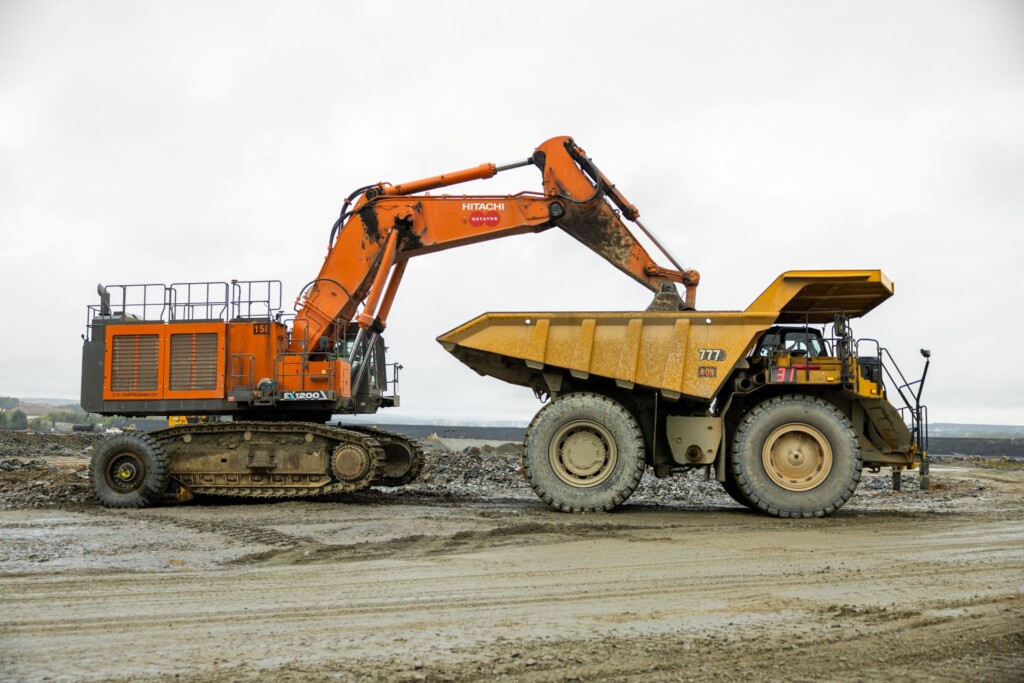
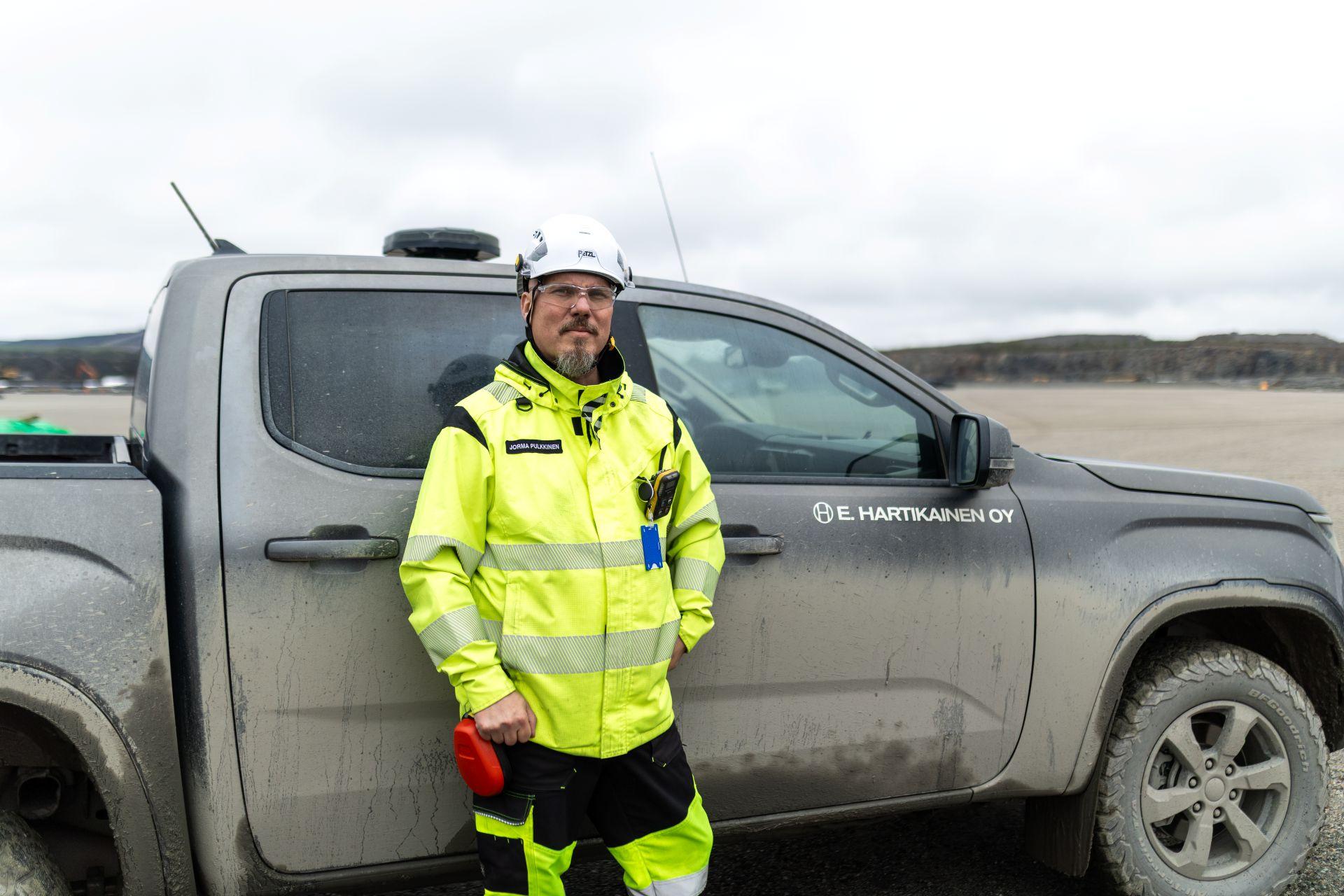
E. Hartikainen Oy has been using Sleipner solutions for 30 years. According to Site Manager Jorma Pulkkinen, Sleipner’s machine transport solutions play a key role in the company’s mining and infrastructure operations. They allow heavy equipment to be moved smoothly both within a work site and between different locations. At the same time, they save time, costs, and fuel, while reducing strain on both the machines and the operators.
Three Decades of Cooperation
The cooperation between Hartikainen and Sleipner began around 30 years ago, when the first transport units came to Hartikainen through a corporate acquisition. The close partnership between the two companies has continued ever since.
Today, Sleipners are used at Hartikainen almost daily. For example, in Sotkamo mine site, the company operates three infrastructure work sites within a ten-kilometer radius of each other, and machines sometimes need to be moved from one location to another on short notice.
“Moving a large mining machine without Sleipners would be extremely challenging and expensive,” Pulkkinen notes.
Hartikainen operates several different Sleipner E Series models, ranging from the E120 up to the latest E400 class, as well as a pair of DB Series trailers. New purchases are mainly made when new machine weight classes are introduced into the fleet. Due to the long service life of the equipment, units rarely need to be replaced.
“Sleipners withstand heavy use exceptionally well. They are simple in design and have very few maintenance points, so we still have some quite old units in active service,” Pulkkinen says.
Faster Transfers and More Efficient Maintenance
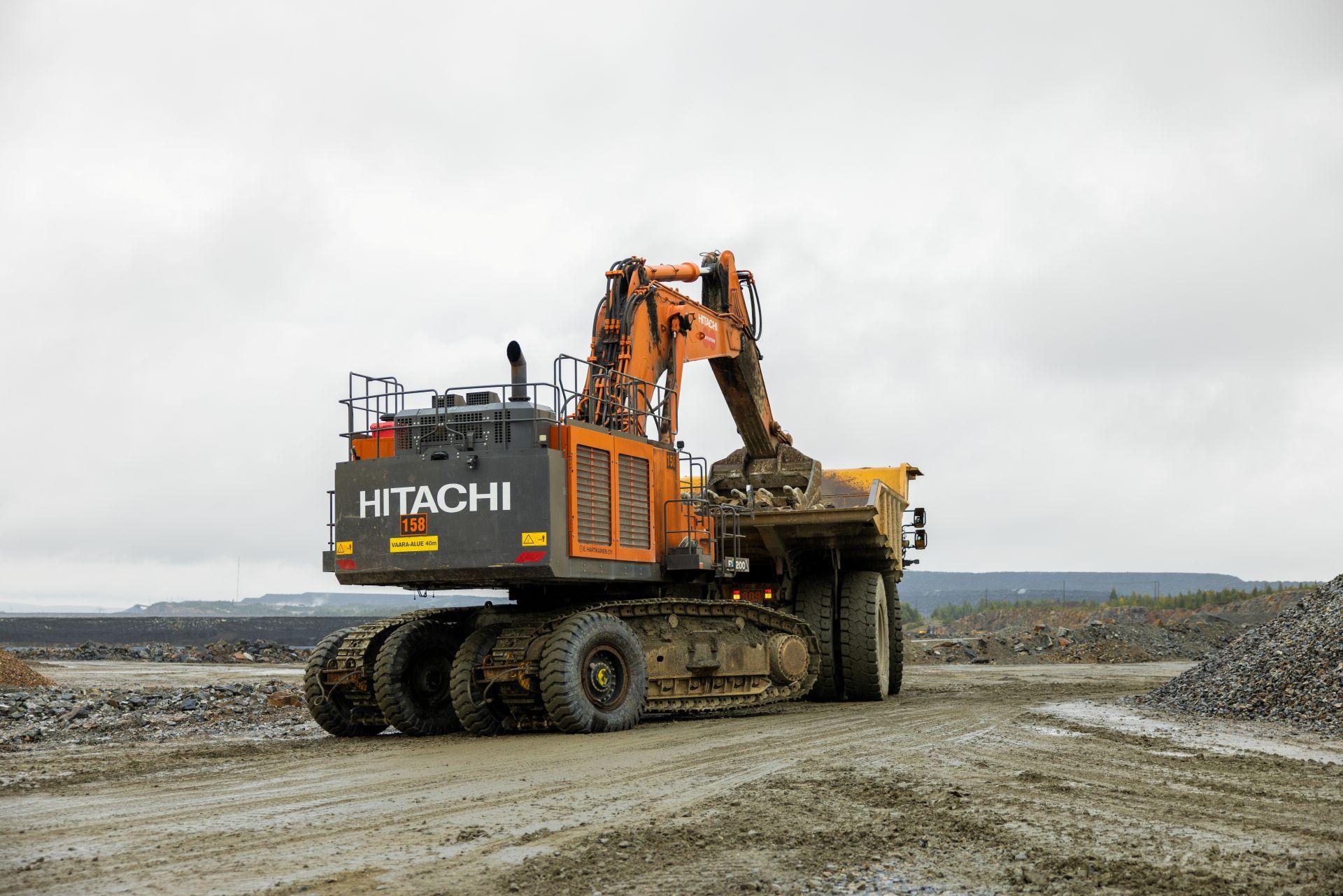
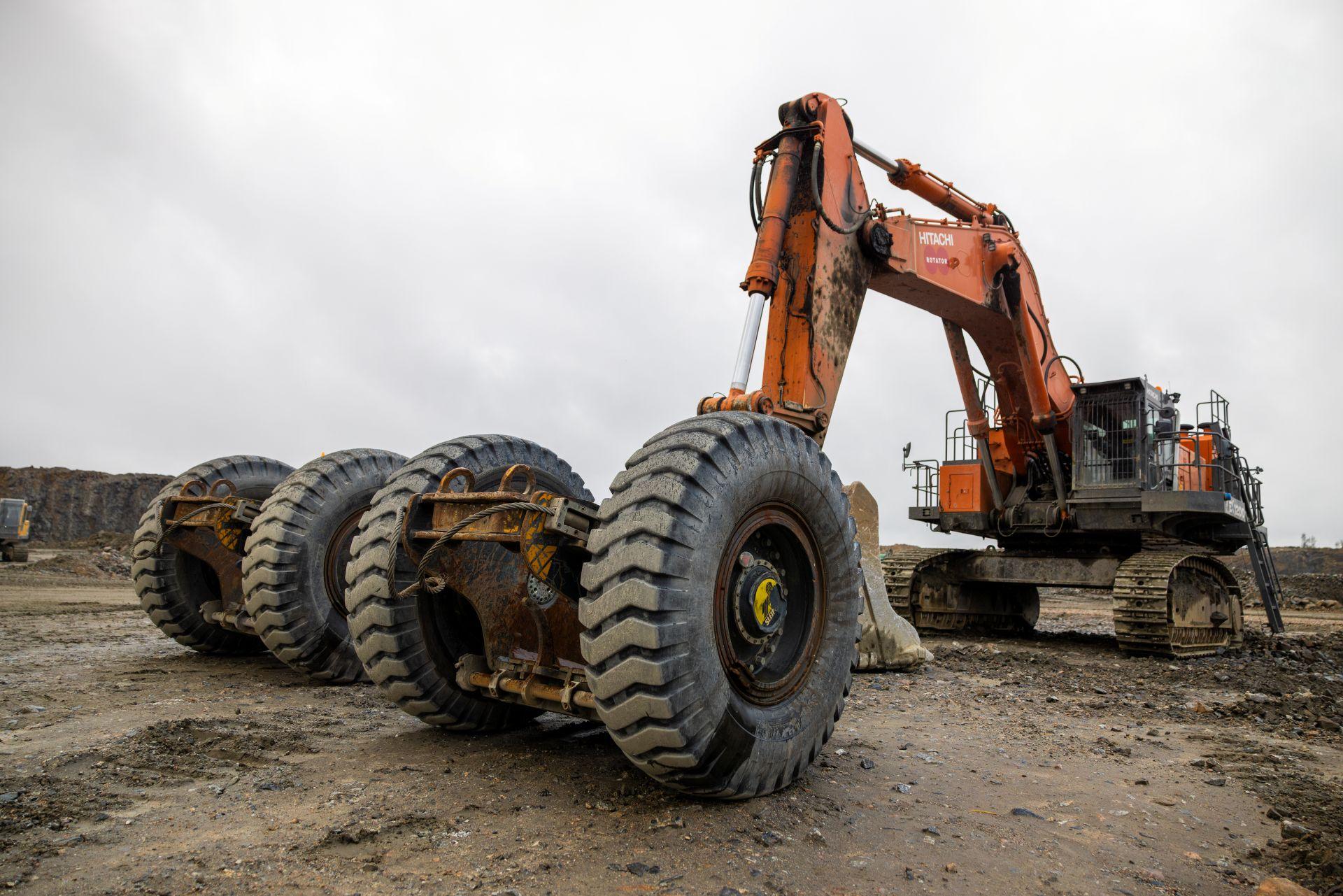
According to Pulkkinen, Sleipner’s operating principle is simple: the excavator is driven onto the wheel sets and its front end is lifted onto the dump truck using its own boom.
“It’s pretty much like slipping on a pair of shoes,” Pulkkinen chuckles.
The main benefits relate to time savings and reduced wear on the equipment. Moving heavy machinery on wheels instead of long track marches saves fuel and avoids costly undercarriage overhauls. Additionally, the transfer reduces vibration and physical strain on the operator, allowing work hours to be spent more efficiently on actual excavation work.
“I would estimate that the transfer takes only about 10–15 percent of the time it would take to move the machine on its tracks,” Pulkkinen states.
Sleipners also bring flexibility to equipment maintenance. Machines can be moved cost-effectively into the workshop rather than performing small repairs outdoors.
“Even smaller maintenance jobs can be done cost-effectively and comfortably inside the workshop, so mechanics don’t have to carry out tasks like welding in field conditions,” Pulkkinen says.
A Reliable Solution for the Future
According to Pulkkinen, Sleipner provides Hartikainen with a clear competitive edge. The company operates a large fleet of heavy machinery, and moving it smoothly and efficiently directly impacts the bottom line.
“If we had to move machines on their tracks or use special heavy transport every time, it would result in significantly higher costs,” Pulkkinen says.
The cornerstones of the long-standing partnership are mutual trust and smooth communication. The equipment’s long service life and versatile benefits have consolidated Sleipner’s role as an integral part of Hartikainen’s fleet for decades. Pulkkinen sees a strong future for the cooperation.
“As long as work is being done with heavy excavators, we intend to continue our partnership,” Pulkkinen concludes.